

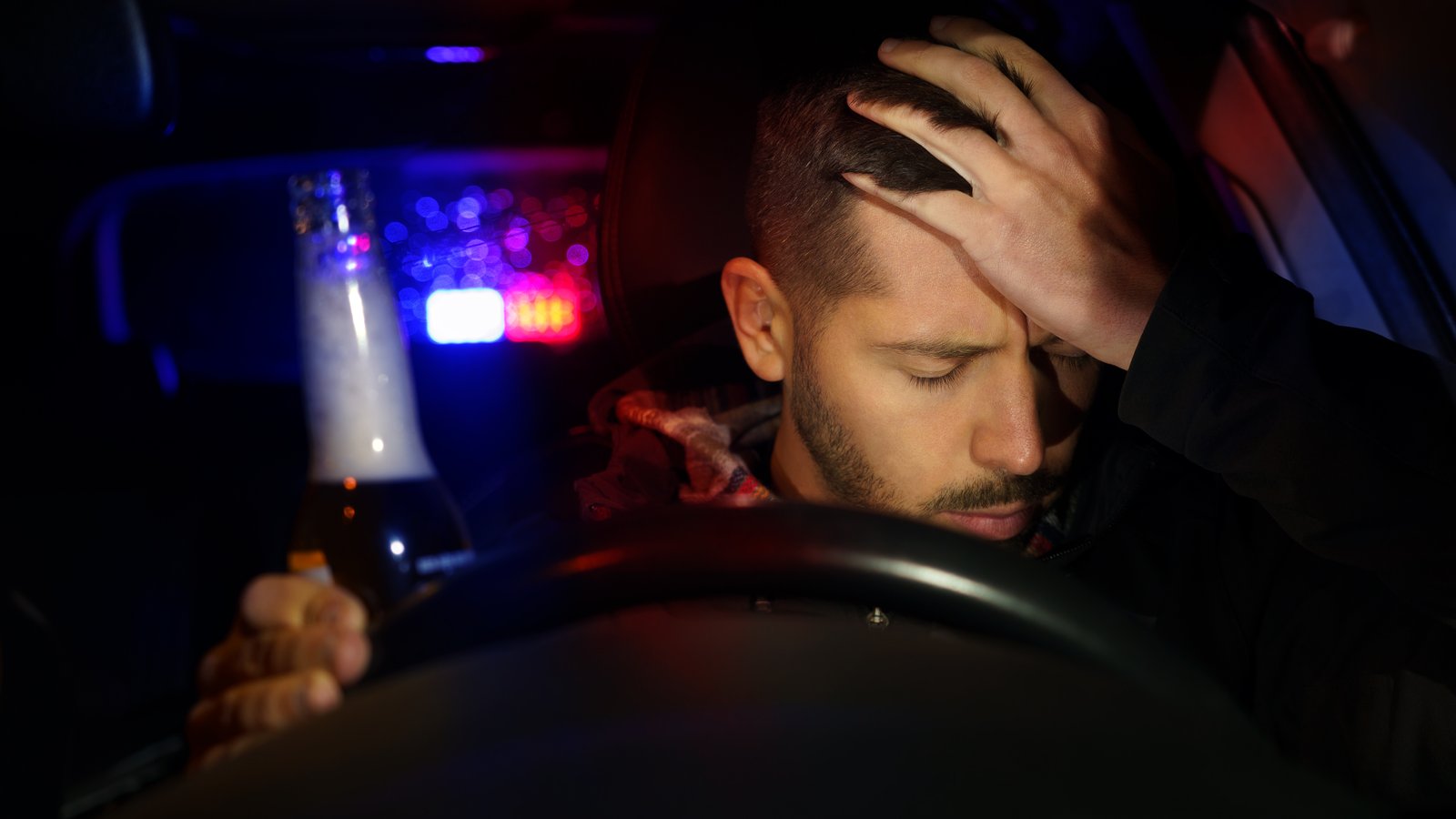
Why officers use California field sobriety tests at the roadside
California field sobriety tests are roadside tasks an officer uses when deciding whether there is enough cause to arrest a driver for DUI. The tests do not produce a blood alcohol number. They also are not the chemical blood or breath test that comes after a lawful arrest. Instead, the officer watches how a person listens, balances and moves, then writes those observations into the arrest report.
Most stops that lead to these tests start with driving behavior or other clues of impairment. Under Vehicle Code section 23152, it is unlawful to drive under the influence of alcohol, a drug or both, or to drive with a blood alcohol concentration of 0.08 percent or more. The roadside tasks sit between the first contact and that later chemical test.
The sections below explain what officers commonly ask drivers to do, how California treats a preliminary breath screen as a field sobriety test, where the observations show up later and what limits the tasks carry.
How California field sobriety tests fit a DUI stop
An officer who suspects impairment often asks the driver to step out of the car. The officer then explains a short set of tasks. Common ones involve balance, following directions and eye movement. The officer scores what he or she sees against training cues, not against a lab machine.
Those notes matter because they help the officer decide whether to arrest. They also travel with the case. Vehicle Code section 13380 requires a peace officer who arrests someone for DUI to forward a sworn report to the DMV. That report must include the officer’s grounds for believing the person violated the DUI statutes, along with chemical test results or the facts of a refusal.
Physical field sobriety tests are generally treated as investigative tools rather than as the post arrest chemical test. The Vehicle Code does not set a statewide license penalty for declining the balance and eye tasks themselves. An officer may still arrest based on other observations. The article on California DUI test refusal covers chemical test refusal rules in more detail.
The three standardized tests officers are trained to use
Many California agencies train officers on a battery that the National Highway Traffic Safety Administration validated for training use. That battery is Horizontal Gaze Nystagmus, Walk and Turn and One Leg Stand. Other agencies may add nonstandardized tasks, but the three standardized ones appear most often in reports.
NHTSA’s DWI Detection and Standardized Field Sobriety Test Participant Manual describes what officers are taught to look for. Those manuals are training materials. They are not California statutes, and courtroom use of any one test still depends on the evidence rules and the facts of the stop.
Horizontal gaze nystagmus observations
Horizontal gaze nystagmus is an involuntary jerking of the eyes as they move to the side. In the standardized version, the officer holds a stimulus about 12 to 15 inches from the face and asks the person to follow it with the eyes while keeping the head still. Training materials list three validated clues in each eye: lack of smooth pursuit, distinct and sustained nystagmus at maximum deviation and onset of nystagmus before 45 degrees.
California courts treat HGN as a scientific technique when the prosecution offers it as proof of intoxication. In People v. Leahy (1994) 8 Cal.4th 587, the California Supreme Court held that HGN evidence requires a Kelly showing of general acceptance in the relevant scientific community before it may be admitted. Later Court of Appeal decisions have addressed whether that foundation was met in particular cases. The holding in Leahy still means HGN is not treated like a simple lay observation of bloodshot eyes.
Walk and turn and one leg stand tasks
The walk and turn test has an instruction stage and a walking stage. The person stands heel to toe, then takes nine heel to toe steps along a line, turns in a prescribed way and returns. Training materials list eight validated clues, including starting too soon, missing heel to toe, stepping off the line and an improper turn.
The one leg stand asks the person to raise one foot about six inches, keep both legs straight and count aloud for about 30 seconds. Training materials list four validated clues: putting the foot down, using the arms to balance, swaying and hopping.
Both tasks demand divided attention. A person must listen, remember instructions and keep balance at the same time. Surface conditions, shoes, wind, traffic and nerves can change how the tasks look even when alcohol is not the cause.
Preliminary alcohol screening as a field sobriety test
California treats one roadside breath device as part of this group. Vehicle Code section 23612, subdivision (h), says a preliminary alcohol screening test that indicates the presence or concentration of alcohol based on a breath sample is a field sobriety test. An officer may use it as a further investigative tool to help establish reasonable cause.
Subdivision (i) adds the required advisement. If the officer decides to use a PAS device, the officer must say that the request is to help determine whether the person is under the influence. The officer must also say that taking the PAS test does not satisfy the later chemical test obligation and that the person has a right to refuse the PAS test.
That roadside screen differs from the evidential chemical test after arrest. The article on PAS versus breath test explains the two paths without repeating the full chemical testing rules here.
What officers write down and what video can show
Each clue in a report is an observation, not a lab measurement. Officers often note whether the person started early, lost balance, missed a step or could not follow the stimulus smoothly. The written narrative and any dashcam or body camera footage become the main record of how the tests went.
Video can confirm or contradict the report. Lighting, camera angle and audio quality all affect how useful the footage is. Still, a clear recording of the instructions and the person’s movements often carries more weight than a short checklist alone.
Limits that affect California field sobriety tests
Many things besides alcohol affect balance and eye movement. Uneven pavement, gravel, a slope, wind, poor shoes, fatigue, illness and recent injuries can all change performance. Age and weight can matter as well. Inner ear problems, neurological conditions and some medications can also produce nystagmus or balance issues.
Because of that, the conditions of the test deserve close attention. Where the person stood, what the officer said and whether the person mentioned a medical limit at the time all belong in the notes. The article on field sobriety medical limitations covers health conditions in more detail.
How results are used at DMV and in court
California field sobriety tests usually come up twice. First, the DMV may look at them when it reviews whether the officer had reasonable cause for an administrative per se action. Section 13380’s sworn report is part of that paper trail. Later, the criminal court may consider the same observations along with the rest of the evidence.
The two tracks move on different calendars. A DMV hearing can address the license even while the criminal case is still open. Field sobriety performance is one piece of the reasonable cause picture. It is not the same as a chemical test result under section 23612’s implied consent rules.
Nonstandardized tasks officers sometimes add
Not every roadside task comes from the standardized battery. Officers may ask a person to recite part of the alphabet, count backward, stand with feet together and eyes closed or touch a finger to the nose. Those tasks are not part of the three test NHTSA battery described above.
A report that mixes standardized and nonstandardized tasks needs careful reading. The officer’s scoring language may sound the same for both groups. A lawyer will often separate which tasks were validated in training research from which ones were local add ons.
Reasonable cause and the arrest decision
Field sobriety performance is only one part of reasonable cause. Driving pattern, odor of alcohol, speech, coordination getting out of the car and statements can all matter. An officer may decide to arrest even when one task looks average, or may decide not to arrest even when one clue appears, depending on the whole scene.
Section 23152 has more than one theory of guilt. Subdivision (a) covers driving under the influence. Subdivision (b) covers driving with 0.08 percent or more by weight of alcohol in the blood. Field sobriety tests speak mainly to impairment clues. The chemical test speaks to the per se number. Keeping those roles straight helps when reading a report that lists both.
Recording the scene for later review
Families often ask what to save after a stop. The citation, any DMV notice, tow papers and the person’s own notes are a start. If the person remembers a medical issue that was mentioned, write that down the same night. If a passenger saw the surface or lighting, ask that person for a short written description while the memory is fresh.
Do not alter or discard phone photos of the location if they were taken lawfully from a public place after release. A photo of gravel, a slope or missing lane lines can matter later when someone claims the walk and turn line was clear and level.
An invented roadside example
Consider a situation invented for illustration only. A 29 year old Sacramento driver is stopped late at night after a weaving lane change. The officer smells alcohol, sees watery eyes and asks the driver to step out. The driver completes a walk and turn with two noted clues and then declines a PAS screen after the statutory advisement. The officer arrests based on driving, odor, appearance and the walk and turn notes, then requests a chemical test at the station.
The example shows only how the roadside steps can stack. It says nothing about how any real case would end.
Questions to note after the stop
Write down what happened while memory is fresh. Then keep the notes with the arrest papers:
- Where the tests took place and the surface underfoot
- The lighting, weather and traffic nearby
- What instructions the officer gave and in what order
- Any injury, illness or medication mentioned at the time
- Whether a PAS advisement was given and what was said
Those details help a lawyer compare the report with what the person remembers about the California field sobriety tests.
Frequently asked questions about California field sobriety tests
Are physical field sobriety tests required by statute?
No California Vehicle Code section imposes a general duty on adult drivers to perform the balance and eye tasks. Declining them can still leave the officer with other grounds to arrest. Chemical testing after a lawful arrest follows section 23612 instead.
Does a PAS refusal carry the same penalty as a chemical test refusal?
Section 23612 treats the PAS device as a field sobriety test and requires the officer to advise of the right to refuse it. The post arrest chemical test has its own refusal consequences. Special rules can apply to drivers under 21 and to some probationers, so those groups should read the refusal article carefully.
Can HGN evidence come in through any officer’s testimony alone?
Under Leahy, HGN is a new scientific technique for Kelly purposes. Courts have required a proper scientific foundation before admitting HGN results as proof of intoxication. Once a published decision finds the foundation met, later cases may rely on that precedent, but the issue remains fact specific.
Do field sobriety tests prove a 0.08 blood alcohol level?
No. The standardized battery was studied as a tool to help officers estimate the chance that a person is at or above a given alcohol level under training conditions. The chemical test after arrest is what California uses for the per se 0.08 charge under section 23152(b).
The information here is general information about California DUI law, not legal advice. Laws change, and each situation depends on its own facts.